
How to Play Cricket: A Complete Beginner’s Guide
Cricket is a strategic, skill-based sport played by millions across Bangladesh and the world. This guide explains essentials — from equipment and rules to batting, bowling and fielding basics — so you can join a street game, club practice or backyard match with confidence.
Overview: the game in a nutshell
Cricket is played between two teams, usually of 11 players each. One team bats to score runs while the other bowls and fields to restrict runs and take wickets (dismiss batters). Teams switch roles after a set number of overs or when all batters are out. Matches range from short Twenty20 games to multi-day test matches. The basic contest is between the bowler delivering the ball and the batter trying to score.
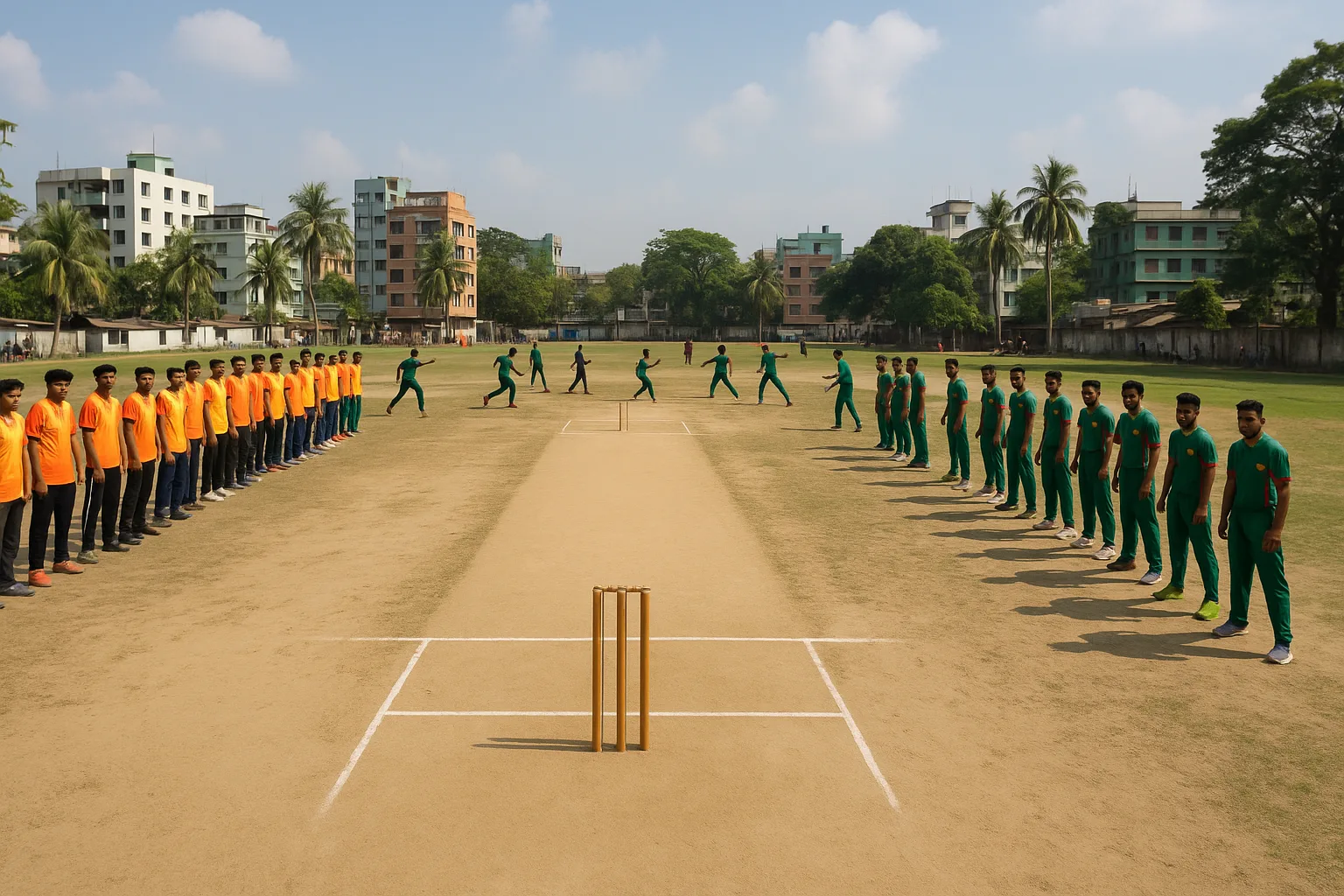
Equipment and how to set up
At a minimum for a basic match you need: a bat, a ball, two wickets (each with three stumps and two bails), and a flat pitch area roughly 22 yards between wickets. Protective gear — helmet, pads, gloves and abdominal guard — matters for safety when playing competitive or hard-ball games.
Setting up a simple game
- Mark out a 22-yard pitch or approximate using cones.
- Place two wickets at each end with a clear popping crease marked about 4 feet in front.
- Decide number of overs (e.g., 20 overs for quick games) and toss to choose batting/bowling.
Player roles and basic positions
Understanding roles helps you know where to stand and what to practice.
Key roles
- Batters: aim to score runs and occupy the crease.
- Bowlers: deliver the ball to get batters out or concede few runs.
- All-rounders: contribute with both bat and ball.
- Wicket-keeper: stands behind stumps to catch, stump or run out batters.
- Fielders: spread across the ground — close-in, in the circle, outfield.
Batting basics: stance, grip and common shots
Batting is a mix of technique and timing. Start with these fundamentals and build from there.
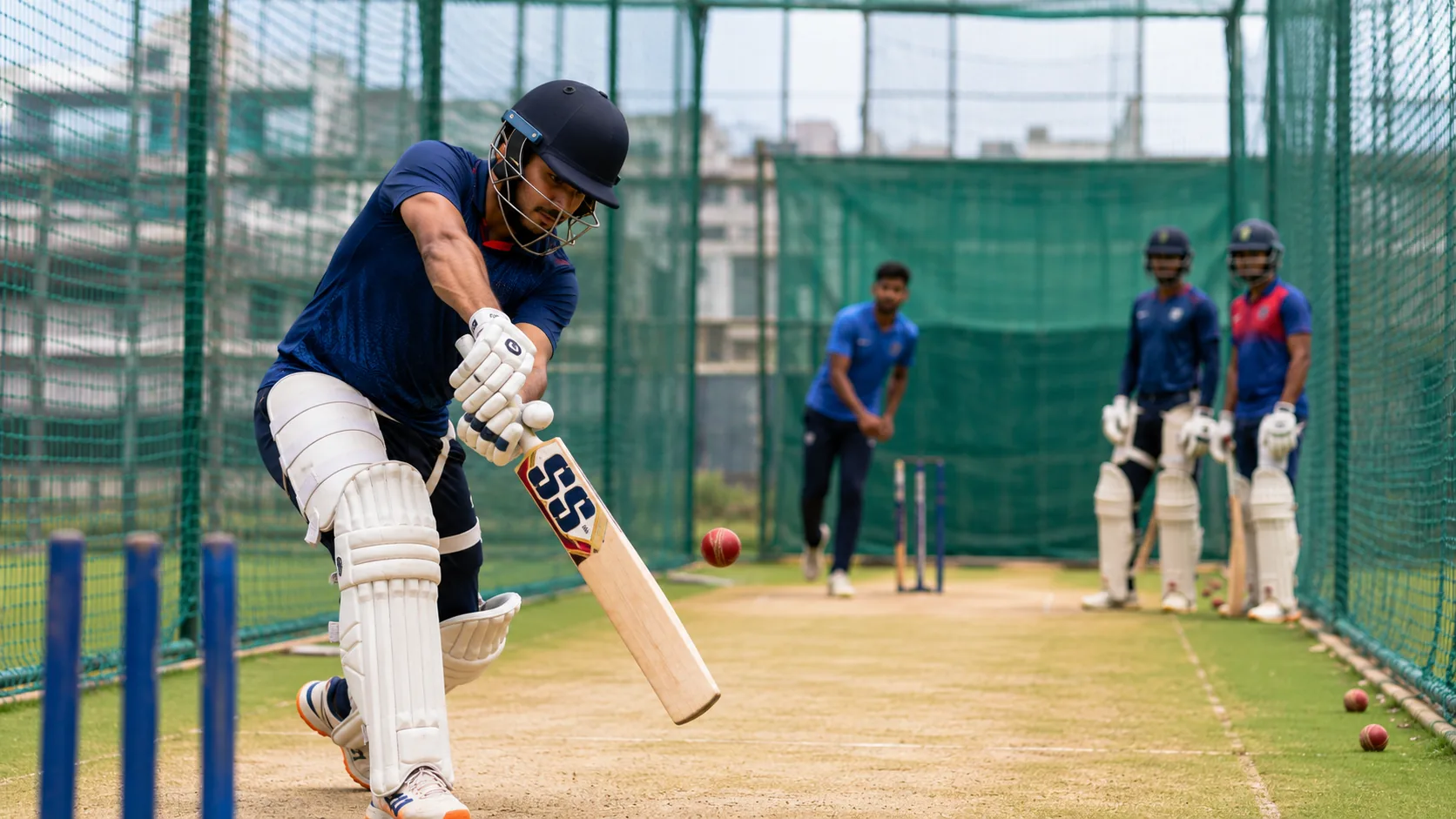
Grip and stance
- Grip: hold the bat with top hand near the top of the handle and bottom hand lower; V shapes of both hands should point down the spine of the bat.
- Stance: feet shoulder-width, weight slightly on the back foot, eyes level and bat grounded behind your back foot.
Basic shots
- Defensive block — protect your wicket against good deliveries.
- Drive (front-foot) — hit straight along the ground through covers or straight to score classic runs.
- Cut and pull — use for short-pitched balls; timing and balance are critical.
- Running between the wickets — communication with partner, quick turns and backing up reduce run-outs.
Bowling basics: run-up, action and line
Bowling is about rhythm, control and variation. Fast bowlers use pace and bounce; spinners rely on grip and turn.
Fast bowling fundamentals
- Run-up: consistent and comfortable length that builds momentum.
- Delivery stride: land balanced and transfer weight through the ball.
- Accuracy: start by aiming at a good length area to trouble batters.
Spin bowling basics
- Grip: finger or wrist grip depending on off-spin or leg-spin.
- Deception: vary flight, pace and angle to induce mistakes.
Fielding and catching: simple drills
Good fielding saves runs and creates wicket opportunities. Practise catching, ground-fielding and throwing accuracy.
Drills to try
- High-catch routine — focus on watching the ball into your hands and soft hands.
- Throwing accuracy — aim at stumps from different distances to improve run-out chances.
- Reaction and agility — short sprints and lateral shuffle to improve stopping boundaries.
Cricket formats and essential rules
Match format dictates tactics and pacing. Here are the common formats:
- T20 — 20 overs per side, aggressive batting, fast fielding changes.
- One-Day (50 overs) — mix of consolidation and acceleration.
- Test — played over multiple days with two innings each, emphasis on concentration and technique.
Essential rules to remember
- Over: six legal deliveries by one bowler.
- Dismissals: bowled, caught, LBW (leg before wicket), run out, stumped, hit wicket.
- Extras: wides, no-balls, byes and leg-byes add to the batting team’s score.
Beginner tactics and match awareness
Develop situational awareness rather than memorising plays. Here are simple tactical pointers:
When batting
- Assess the pitch and bowlers on first few balls before attacking.
- Protect your wicket early and rotate strike to build partnership.
When bowling/fielding
- Set fields based on batter strengths — keep catchers for aggressive batsmen.
- Mix pace and length; force batters into making mistakes.
Safety, common mistakes and troubleshooting
Safety is important, especially when playing with hard leather balls. Use helmets, pads and gloves when appropriate. Here are common beginner mistakes and how to fix them.
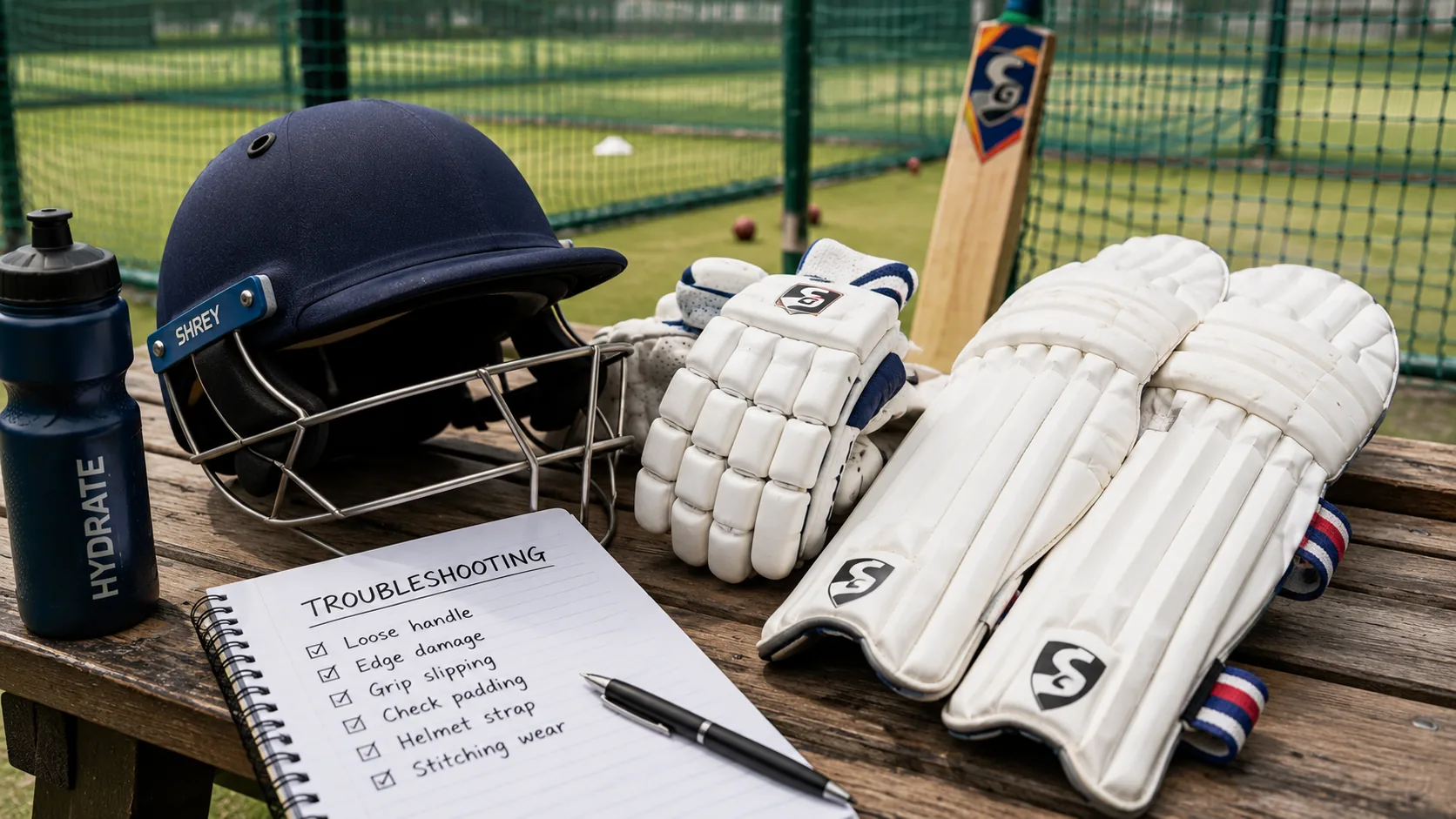
Common mistakes
- Front-foot drag when playing short-pitched balls — practise back-foot balance drills.
- Poor hand-eye coordination leading to mistimed shots — shadow-batting and ball toss drills help.
- Inconsistent bowling line — use cones to mark target areas for repetition.
Troubleshooting tips
- If you keep getting out LBW, check footwork and guard position.
- Struggling to hold catches? Practice softening hands and watching the ball all the way in.
Where to play and learn in Bangladesh
Bangladesh has a rich cricket culture: local grounds, club leagues and coaching centres across Dhaka, Chattogram, Rajshahi and beyond. Join a local club, attend weekend nets, or watch domestic matches to learn tactics and temperament. For digital tools and community resources, explore the BABU88 App for updates on cricket events and the Cricket Betting section if you're interested in match odds (remember to gamble responsibly). To get started with BABU88 services, check the BABU88 App and learn about Payment Methods and the Welcome Bonus if you plan to use the platform.

Conclusion
Cricket blends physical skill with strategic thinking. Start with equipment and simple drills, practise regularly, and play real matches to gain experience. Focus on consistent technique, fitness and reading the game. Whether you play street cricket or hope to join a club, these fundamentals will help you contribute confidently on the field.
FAQ
How many players are on a cricket team?
In standard cricket, each team fields 11 players. Shorter informal games sometimes use fewer players.
What is an over?
An over consists of six legal deliveries bowled by a single bowler. After an over, a different bowler must bowl from the other end.
What protective gear should beginners use?
Beginners playing with hard balls should use a helmet, batting pads, gloves and an abdominal guard. Wicket-keepers wear gloves and pads suited to their role.
How can I improve my timing when batting?
Practice shadow-batting, throw-down drills with a partner and soft-ball catching to improve hand-eye coordination and timing.
What is the best way to learn bowling?
Start with consistent run-ups and accuracy drills. Work on a repeatable action and gradually add pace or spin. Coaching and video feedback accelerate improvement.
How do I find clubs or coaches locally?
Look for community clubs, local sports centres and social media groups. Attend open net sessions and ask at schools/colleges. BABU88 community pages and the BABU88 App can help you discover events near you.